
Terada Honke - living Sake
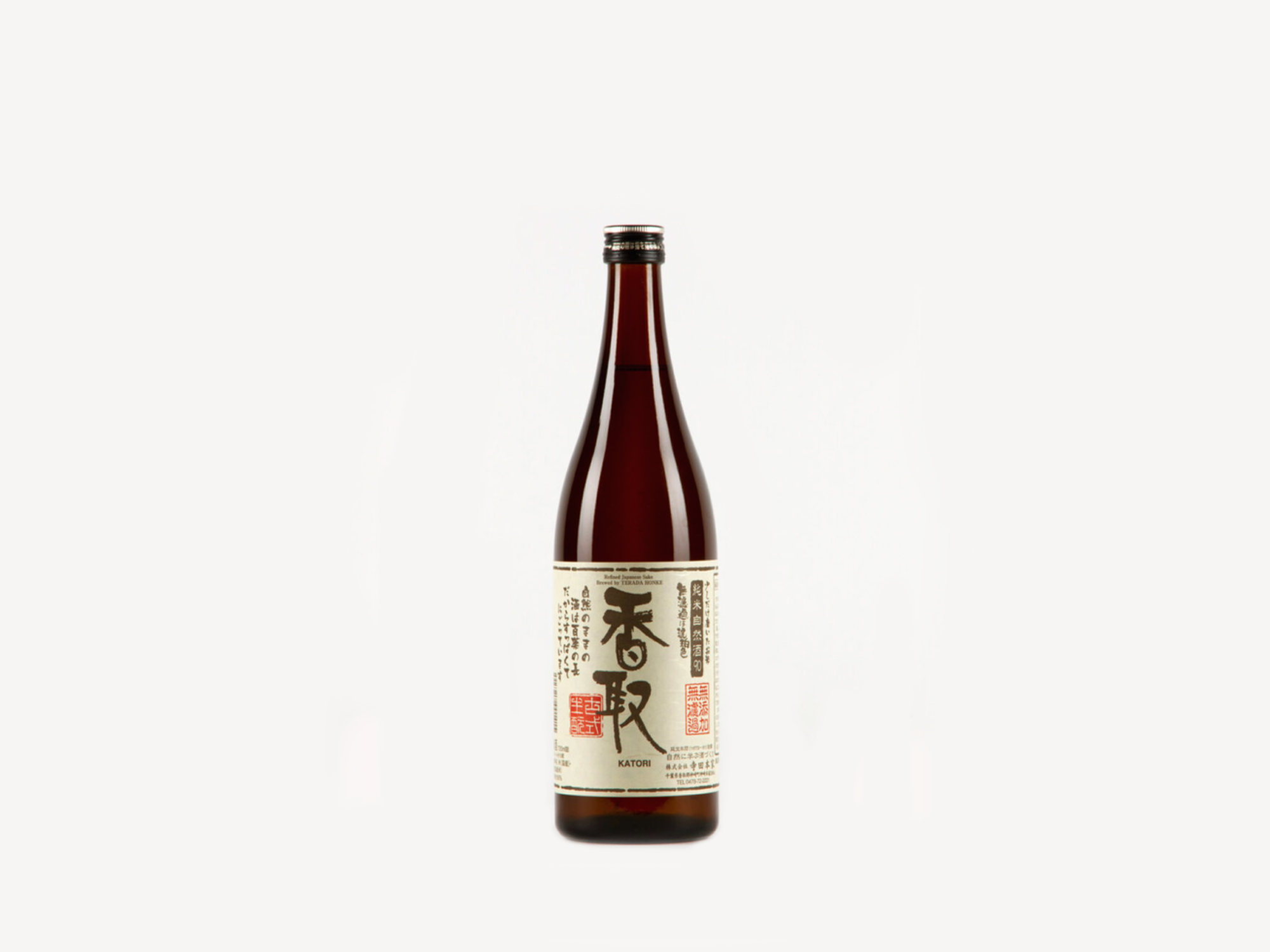
This summer, I received an honour visit of the family member of Terada Honke, the natural Sake brewery founded around 1675.
I am big fan of the book, Hakkodo (The path of fermentation) written by Keisuke Terada, the former 23rd-generation owner of Terada Honke. After this impressive meeting, I decided to introduce Sake of Terada Honke again.
In Japan, Sake had been once called Hyakuyaku no Cho, meaning the top of hundred medicines. Sadly the many of Sake breweries including Terada Honke have lost its heritage since end of 19 centuries due to the lack of rice as well as the change of tax system initiated by Japanese government to collect as much money as possible for the war - this was the time, the faster Sake is made, the better it was, not only for the government, but also for the breweries and handlers, but not at all for the peoples health and the eco system on earth.
In 1980 after going through his own ill and repeated troubles, Keisuke Terada decided to initiate a radical return to their traditional roots, dedicated to crafting wholesome, artisanal sakes in complete harmony with nature, using solely naturally grown rice, in house Koji (microorganisms), and ground water. Today led by the 24th-generation owner, Terada Masaru, this brewery stands as a worldwide benchmark as the pioneer for natural Sake.
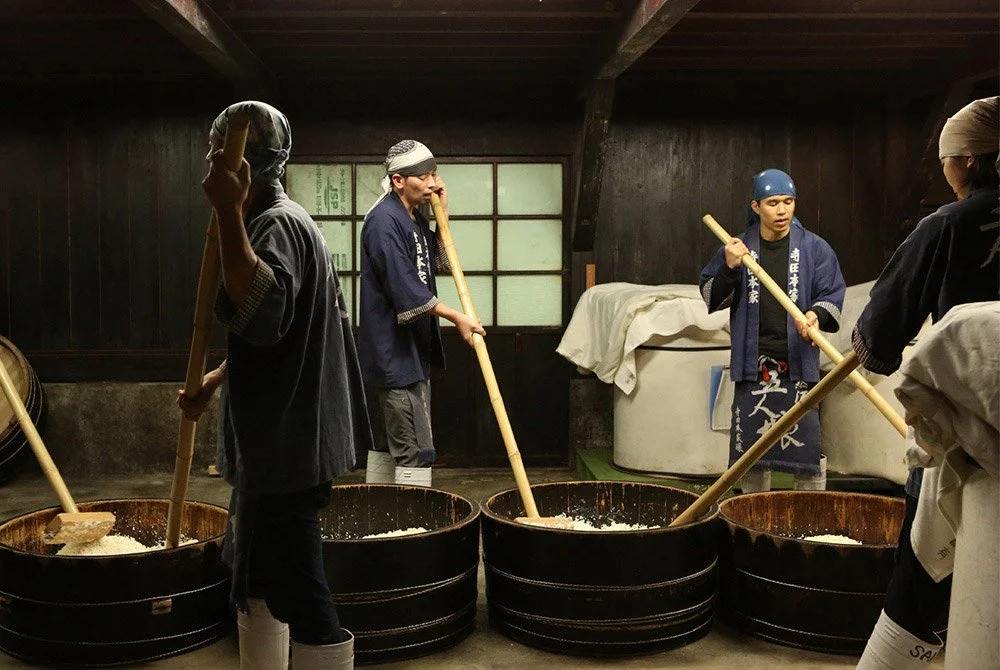
While stirring rice, they sing songs that were passed down over centuries. When Koji microorganisms synchronise with songs, they do better fermentation and make good Sake.
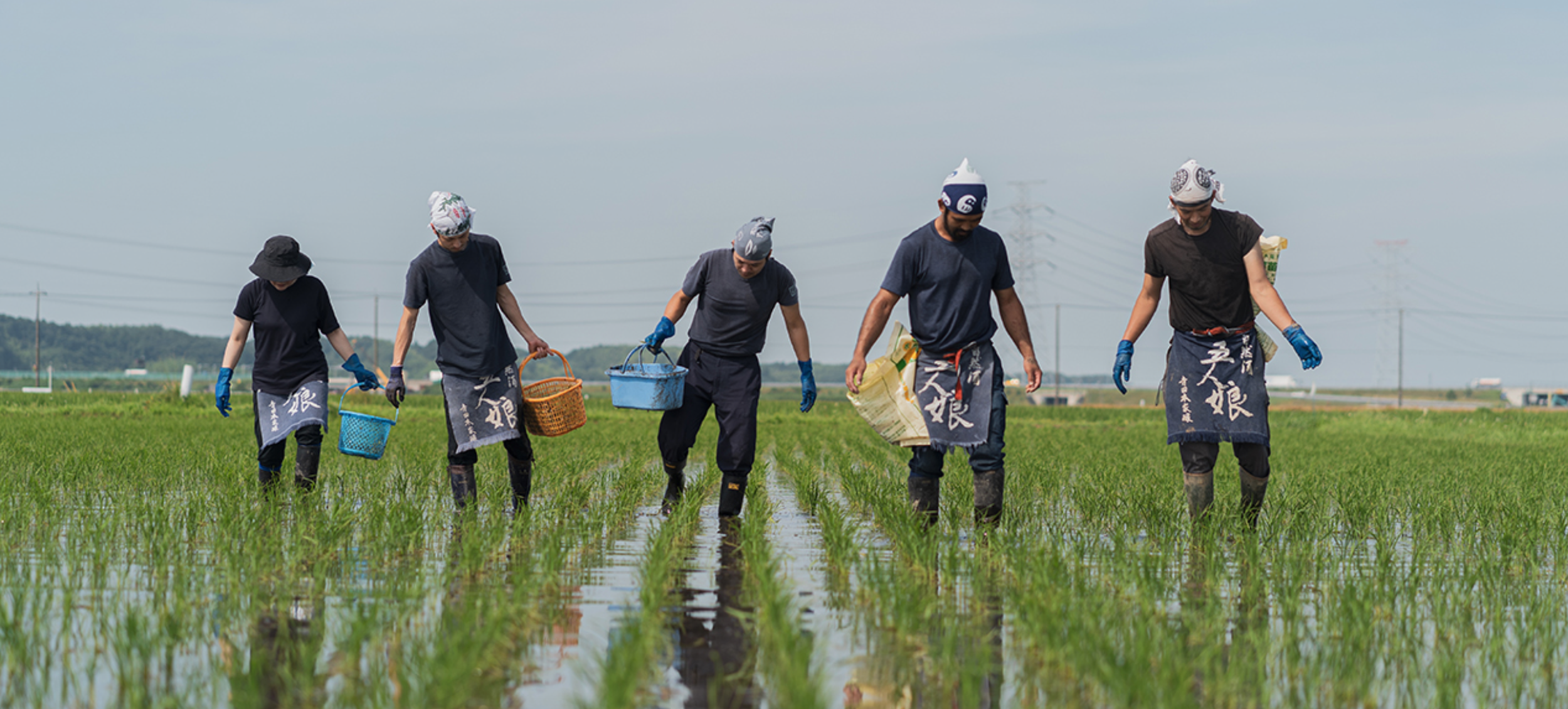
The Sake brewery of Terada Honke is based on the traditional Kimoto method without modern machines and any commercial yeast: instead their brewery relies on the wild ambient microorganisms cultivated taking over 350 years from its own ceilings and walls. Terada Honke grows pesticide-free rice by themselves, buys from natural rice farmers in their region, and source ground water from Kozaki Shrine nearby.
They believe the fermentation is the key for the future: through their Sake brewing, their vision is to create a well fermented vibration also in peoples society.
The taste of Sake by Terada Honke is like nothing else: bold and layered with full of lactic tang having deep Umami - that is actually the taste which should be, if Sake is entirely naturally made with the full trust to law of nature.
Microorganisms do their fermentation alone to the best quality, when the intervention by people is minimised and the harmony of environment is maximised.